

Introduction
This report is Iceland Seafood’s eighth published Environmental, Social and Governance (ESG) report and reflects the Group’s continued efforts to establish a consistent and structured data collection process across its operations for the reporting of key sustainability metrics. The reported metrics are prepared in accordance with the second version of the voluntary non‑financial ESG reporting guidelines issued by Nasdaq’s Nordic and Baltic stock exchanges.
To complement the key performance indicators set out in the Nasdaq ESG Reporting Guide, the Group has placed additional emphasis on waste management, reflecting the nature and footprint of its operations. ESG data has been reported annually via the Nasdaq ESG Portal, and the Group most recently received the Nasdaq ESG Transparency Badge for 2024. Nasdaq discontinued the portal in 2026, citing evolving investor ESG data needs and a consolidation of its offering around Nasdaq Metrio (acquired by Nasdaq). Following this change, companies are no longer asked to submit ESG data via the portal.
The financial year 2024 was initially expected to be the final year in which Iceland Seafood reported its sustainability performance primarily in accordance with the Nasdaq ESG Reporting Guide, as preparations were underway to transition towards reporting under the EU Corporate Sustainability Reporting Directive (CSRD). During the year, however, regulatory developments at both EU and national level altered the anticipated implementation timeline. Continued uncertainty regarding the timing and scope of CSRD application—particularly in Iceland, where legislative transposition remains subject to parliamentary processes, as well as across Europe following the introduction of the EU Omnibus and related “stop‑the‑clock” measures—has affected regulatory expectations for first‑time reporters.
In response to this evolving regulatory landscape, the Group has continued to progress its established ESG initiatives and sustainability priorities, while temporarily pausing the full implementation of CSRD‑aligned reporting processes as originally planned. This approach is consistent with practices observed among comparable Nasdaq Nordic listed companies and reflects a prudent balance between maintaining momentum in sustainability performance and ensuring an efficient allocation of resources pending greater regulatory clarity.
A new Sustainability Policy was adopted by the Group in 2023, providing a structured framework for the development of sustainability initiatives and future reporting. The policy underpins the Group’s commitment to responsible business conduct and supports continued readiness for evolving regulatory requirements. While the policy remains in effect, the Group recognizes that a comprehensive review and update of the policy, including the setting of new milestones and key initiatives, will be required once the regulatory framework has stabilized.
As part of its former preparations for potential future compliance with the CSRD, Iceland Seafood had conducted a comprehensive Double Materiality Assessment in accordance with the principles set out in the European Sustainability Reporting Standards (ESRS). This process identified the Group’s material impacts, risks and opportunities and is described in further detail in this report.
The EU Taxonomy Regulation has been implemented, and 2025 represents the third consecutive year in which the Group reports in accordance with that regulation. The Group has assessed the eligibility and alignment of its activities to determine the extent to which its operations can be considered environmentally sustainable under the EU Taxonomy. The results of this assessment are presented in the relevant section of the report.
In 2026, the Group completed its third sustainability rating assessment and received a score based on its performance in environmental practices, labour and human rights, ethics and sustainable procurement. While the assessment resulted in the award of the EcoVadis “Committed” badge, the Group continues to see opportunities for improvement and remains focused on strengthening its performance in these areas over time.
This report reflects the Group’s current understanding of its sustainability responsibilities and impacts. While it does not represent a claim of full or final insight, Iceland Seafood remains committed to continuous improvement and to identifying both the opportunities and challenges associated with advancing sustainability across its operations.
Key Numbers
Overall, the Group experienced a largely stable year in terms of sustainability performance, during which key initiatives and previously achieved milestones were maintained. During the year, however, the scope of the Group’s operations expanded following the acquisition of two businesses in Argentina, which has implications for certain sustainability metrics.
In early 2024, ISI hf acquired Cigalfer792 S.R.L., a cold storage facility, enabling the Group to internalise storage of inventory for Achernar S.A. and to lease surplus capacity to third parties. In mid-2025, Thorpesca S.A.S. was established and acquired two freezer trawlers together with associated fishing licences, providing the Group with direct access to high-quality sea-frozen shrimp.
These strategic investments have increased the scale and intensity of operations and, as a result, have led to higher energy consumption and use of refrigerants. Consequently, the Group’s reported carbon footprint has increased compared to the prior year, reflecting the expanded operational footprint rather than a deterioration in underlying sustainability performance.
The sustainability policy adopted in 2023 continues to provide the overarching framework for the Group’s sustainability efforts and related reporting. The policy defines the key focus areas, milestones and initiatives that guide our work across the organisation.
While the policy remains in effect, the Group recognises the importance of periodically reassessing its relevance and ambition. A comprehensive review of the policy, including the setting of updated milestones and key initiatives, is therefore planned for 2026 to ensure continued alignment with the Group’s strategy, regulatory developments and stakeholder expectations.
Progress against the current milestones and initiatives is further detailed in the sections below.
Taxonomy
The Purpose of the EU Taxonomy regulation is to define which business activities are considered environmentally sustainable. For companies to be considered environmentally sustainable, they must meet the criteria for environmentally sustainable economic activity as defined in the Regulation, companies need to evaluate the activities in accordance with these steps:
The economic activity must contribute significantly to one or more of the environmental goals: Climate mitigation.
Climate adaptation.
Sustainable use and protection of water and marine resources.
Transition to a circular economy.
Pollution prevention and control.
Protection and restoration of biodiversity and ecosystems.
At the same time, the economic activity must do no significant harm to other goals.
Minimum safeguards must be carried out.
The activity must comply with the technical screening criteria.
Evaluation of Eligibility
We began reviewing our operations in accordance with the technical screening criteria, where the activities were compared to the technical screening criteria of the environmental objectives. The core activity, sale of seafood, does not currently fall under the technical screening criteria. However, a decision was made to identify revenue, CapEx and OpEx for the following activities:
4.1 – “Construction or operation of electricity generation facilities that produce electricity using solar photovoltaic (PV) technology”.
7.2 – “Renovation of existing building”.
7.6 – “Installation, maintenance and repair of renewable energy technologies”.
7.7 – “Acquisition and ownership of buildings”.
The aim of going through the eligibility assessment was to identify environmental sustainability within the operation and prepare for further reporting in coming years. Developments of the EU Taxonomy will be monitored to prepare for when additional activities will be subject to disclosure.
Evaluation of Alignment
For an activity to be considered aligned and thereby meet requirements of the EU Taxonomy of being environmentally sustainable, it needs to meet the requirements of substantial contribution to at least one environmental objective while doing no significant harm to any of the other objectives, in addition to complying with minimum safeguards.
Buildings
The renovation of an existing buildings owned by the subsidiary have not met the requirement of 30% reduction in primary energy demand.
The Group owns various buildings in its locations, however none of them hold an energy efficiency certificate. We were therefore not able to demonstrate that these activities contributed to mitigating climate change and we did not continue with the assessment.
Renewable Energy
We generate electricity using photovoltaic cells at our locations in Madrid and Barcelona (4.1/7.6). For the activity to be considered to contribute significantly to mitigating climate change, it is sufficient that electricity is produced using photovoltaic cell technology. To meet the requirement of not causing significant harm, we carried out a climate risk and vulnerability assessment of the specified activity. There are no additional requirements associated with this activity, and the outcome is that it is considered environmentally sustainable and Taxonomy‑aligned. However, no further CapEx or OpEx was incurred in 2025.
Minimum Safeguards
The EU Taxonomy regulation describes Minimum Safeguards considering the guidelines of the Organisation for Economic Cooperation and Development (OECD), the guiding principles of the United Nations on business and human rights as well as eight fundamental conventions in the declaration of the International Labour Organization. Platform on Sustainable Finance has defined the core topics based on these requirements to be human rights, including labour rights, bribery, taxation, and fair competition.
We have in place a Group Code of Conduct and a Supplier Code of Conduct. The Company also performs due diligence to some extent on its upstream value chain by mapping and scoring its suppliers and service providers sustainability aspects in cooperation with EcoVadis, a recognised assessment platform that rates business sustainability within environmental impact, labour, and human rights standards, ethics, and procurement practices. The conclusion of the minimum safeguards review was that we comply to these requirements.
The Group is aware that continuous improvements and reassurances are needed when it comes to minimum safeguards, such as a detailed due diligence on human rights according to the OECD definition, as well as upcoming requirements in European legislation regarding the provision of information in the field of human rights and will continue to emphasise this work going forward.
Key Performance Indicators
The proportion of turnover, CapEx and OpEx, is calculated in accordance with the EU Taxonomy regulation. Following are explanations of KPIs of identified eligible activities within the Company, no eligible activities were in place 2025. For detailed accounting of KPIs please refer to our 2025 Annual Statements.
Turnover
Turnover as defined in the EU Taxonomy regulation is equal to the consolidated revenues as reported in the Company’s financial statements for the year 2025, note 2. The portion of the revenue that is eligible or aligned with the EU Taxonomy is 0%.
CapEx
CapEx consists of the increase in tangible and intangible assets, before any depreciation, amortisation, revaluation, or write-offs, excluding fair value movements. CapEx in the financial year 2025 amounted to €10m as detailed in notes 10 and 11 to the financial statement. Thereof, 0% are related to eligible activities and 0% related to aligned activities.
OpEx
The EU Taxonomy regulation defines OpEx differently from the OpEx of the financial statements. The EU Taxonomy excludes depreciation, amortisation, general and administrative expenses, and sales and marketing related expenses. Included are direct non-capitalised costs derived from the day-to-day servicing of assets, consisting of research and development, short-term leases, and maintenance and repairment and similar essential costs for maintaining efficient operation of the relevant assets. OpEx in the year 2025 was €2.1m and was related to maintenance material, cost of employee repairing a machine, cost of employee cleaning a factory and IT dedicated to maintenance. Thereof 0% are related to eligible activities, and 0% are aligned.
Iceland Seafood EU Taxonomy reporting - 2025
| Activities by sector | Revenue | CapEx | Share of OpEx | |
|---|---|---|---|---|
| Energy | Aligned | 0% | 0% | 0% |
| Eligible but not aligned | 0% | 0% | 0% | |
| Construction & Real Estate | Aligned | 0% | 0% | 0% |
| Eligible but not aligned | 0% | 0% | 0% |
ESG Structure
Sustainability
The platform to prepare to comply with the CSRD and other emerging sustainability regulations was taken 2023 with the implementation of a Sustainability Policy. The Sustainability Policy is a guiding document for sustainability work, categorised into Environmental, Social and Governance (ESG) aspects, with defined objectives and subsequent impacts. The Executive leadership ensures that the policy is presented and monitors its effectiveness. Quantitative values are reported per month by each subsidiary. Objectives and reported Key Performance Indicators (KPIs) will continuously evolve depending on our own initiatives, emerging legislations, and stakeholder interests.
Key Performance Indicators (KPI’s)
To improve our impact, certain objectives were set out to be achieved. The impacts of those objectives were then further identified, and the KPIs were set. The following chapters will explain in more detail why the objectives were chosen, how we have progressed and how the KPIs will eventually be reached.
Board of Directors
Environment
- Sustainable sourcing
- Energy use
- Greenhouse gas emission
- Water use
- Waste
Social
- Employee satisfaction
- Health & Safety
- Equality
- Fair labour practices
- Human rights
Governance
- Code of Conduct
- Supplier Code of Conduct
- Transparency
Environment
The value-added subsidiaries represent the great majority of Iceland Seafood’s environmental footprint. For this report, the scope for the environmental metrics is the value-added divisions within the Group. For the 2026 targets, the baseline year is 2022.
- Reduce GHG emissions
- Lower operational emissions in Scope 1&2
- Increased share of renewable energy in scope 2
- Reduced energy intensity
- Reduce scope 1 emissions to 2500t CO2 eq.
- Reduce scope 1 emissions to 500 CO2 eq.
- Increase share of renewables to 80%
- Minimise water usage
- Reduce water usage
- Increase share of reclaimed water
- 50% of water reclaimed in Achernar
Greenhouse Gas Emission Overview
This image is the result of continued efforts of our subsidiaries’ ESG reporting. It gives a good overview of the emissions from different KPI’s reported within each respective scope. Further details on each scope and the KPI’s within them are explained in the following sections of this report.
The majority, 79.9%, of our footprint comes from Scope 3, where we report on upstream transportation of raw material and downstream transportation of our sold products.
Sustainable Seafood
Maintaining healthy fish stocks and ensuring that information on fishing and the treatment of marine ecosystems is reliable, traceable, and transparent is of great economic and social importance to the Group. Proper and responsible treatment of natural resources is vital for ensuring that fish stocks continue to be sustainably harvested. As one of the largest exporters of seafood from Iceland we are a member of the association Fisheries Iceland (SFS). The association promotes a responsible fishing industry in harmony with the environment and society and has made a declaration for corporate social responsibility that many stakeholders in the fisheries sector in Iceland participated in developing and subsequently implemented, including Iceland Seafood.
We promote and practice responsible sourcing of seafood and monitor the level of MSC or ASC certified products within the value chain. All subsidiaries have a valid chain of custody certification towards the MSC standard, ensuring traceability of the products. Subsidiaries also have a certification towards ASC chain of custody where applicable.
We are committed to work with the industry on fishery improvements and best practices. There is a deep understanding of the risks related to each type of supplier and market within the trading part of the Company.
The risks are continuously assessed and monitored in the course of the relationships with suppliers. All production sites are also subject to inspections for compliance with applicable food laws, including traceability requirements, by local authorities.
Renewable Energy
The transition to renewable energy is a key component towards decarbonization since the energy sector accounts for a round two-thirds of global emissions. Without the transition to renewable energy the world will struggle to keep the Paris Agreement target alive. Renewable energy is also an important part of improving social aspects. Improved air quality results in higher quality of life and cleaner cities. Renewable energy technologies are also creating more jobs on average than fossil fuel technologies, and the jobs they are creating are more often research and innovation related.
In 2025, renewable energy accounted for 63% of the Group’s total electricity consumption. The Group has set an ambition to increase the share of renewable energy to 80% by 2026.
The year-on-year decline was mainly driven by three factors. First, operational and technical constraints meant that the solar installations in Madrid and Barcelona did not operate at their full planned capacity. Second, the acquisition of Cigalfer in 2025 changed the Group’s overall electricity profile, as the acquired operations use a different energy mix. Third, increased activity within the Oceanpath Group, combined with a change of electricity provider in mid-2024, resulted in a lower share of renewable energy in its consumption mix. These drivers include both short-term and more structural impacts and may require a reassessment of the Group’s expected renewable electricity share in the near term, but they do not change the Group’s long-term ambition to increase the use of renewable energy. Efforts continue, and progress is expected to be non-linear as the Group optimises its energy sourcing across an expanding and geographically diverse footprint.
Emissions from purchased electricity amounted to 1,018 t CO₂‑eq in 2025, compared with our current target of reducing Scope 2 emissions to 500 t CO₂‑eq. Important progress was made in 2023, when the solar installations on the roofs of our subsidiaries in Madrid and Barcelona were commissioned, in 2024 872 MWh were generated compared to 664 MWh 2025.
However, our energy needs have grown. The acquisition of a storage company increased operational activity, and a reduced share of renewable electricity in Ireland have all contributed to higher emissions. As a result, Scope 2 emissions rose from 617 t CO₂‑eq in 2024 to 1,018 t CO₂‑eq in 2025—an increase of 65% (or 34% excluding the 2025 Cigalfer acquisition).
Given this development, we need to revisit our targets to reflect the expanded scope of the Group and increased operational demands. We will also assess additional measures to increase the share of renewable electricity across the Group, including further deployment of solar technologies in our operations.
| Criteria | Target 2026 |
|---|---|
| Renewable energy | 80% of electricity used will be from renewable sources |
| UN SDGs | |
 | |
Our Own Emissions
In 2023, we set a target to reduce combined Scope 1 and Scope 2 emissions from 3,855 t CO₂ in 2022 to 3,000 t CO₂ by 2026, including a Scope 1 target of 2,500 t CO₂-eq. We achieved the target in 2023; however, emissions were above the target in 2024 and 2025.
In 2024, unusually high Scope 1 emissions were driven by the renewal of equipment at Achernar and a gas leak at Carr, which led to a significant increase in the purchase of cooling agents. In 2025, reported Scope 1 emissions increased to 6,253 t CO₂-eq following the acquisition of two new operations in Argentina (a cold storage facility and two freezer trawlers). These acquisitions account for more than two-thirds of Scope 1 emissions due to their reliance on refrigerants and fuel. Excluding the 2025 acquisitions, Scope 1 emissions were 1,879 t CO₂-eq, which indicates that the Scope 1 target set in 2023 was achieved on a like-for-like basis.
Total Scope 1 and Scope 2 emissions in 2025 were 7,274 t CO₂. Excluding the two acquisitions completed in 2025, combined Scope 1 and 2 emissions were 2,740 t CO₂. On a like-for-like basis, this indicates that the targets set in 2023 were achieved, as those targets were based on the Group’s operations at the time and did not anticipate subsequent growth or acquisitions. We do not view this development as a setback. We remain committed to monitoring progress, adjusting our strategies as needed, and setting new reduction targets for the period after 2026.
Key to achieving these targets will be the success of increasing the share of renewable energy in our electricity usage. Innovation and investment in new technologies are critical drivers of this effort. In the coming years, we plan to further reduce emissions by transitioning to electric vehicles and machines at our sites. Additionally, we will explore the use of more environmentally friendly cooling agents and work to enhance the efficiency of our cooling systems. These initiatives will help us stay on course to meet our emissions reduction targets.
Waste
The circular economy aims to minimise waste and promote sustainable use of natural resources. In a circular economy, products are either recycled, remanufactured, or re-used after they have served their initial purpose. As Iceland Seafood has prioritised strategies on how to reduce the amount of waste generated, the circular economy has been kept in mind.
In 2025, the Group generated 5,562 tonnes of waste, of which 3,906 tonnes were organic waste from Achernar, our Argentinian division. To address the large volumes of waste generated by fishing activities in the Puerto Madryn area, Achernar—together with other local businesses—helped establish the Patagonian Environmental Centre for Fisheries Research and Development (CAPIDP), an initiative focused on efficient and sustainable waste treatment. During 2025, Achernar sent all organic waste from shrimp processing to CAPIDP for composting.
This investment has significantly strengthened the Group’s waste management practices and is reflected in our environmental accounting. Organic waste from Achernar now represents approximately 70% of the Group’s total waste generation. In addition, the Group maintained a high recycling and reuse rate in 2025: 87% of waste was reused or recycled, close to our target of 90%.
| Criteria | Target 2026 |
|---|---|
| Waste recycling | 90% of Group waste recycled or reused |
| UN SDGs | |

 | |
Water
Seafood processing is a water-intensive activity, and in 2025, Iceland Seafood used approximately 111,378 m³ of water, of which around 17,690 m³, or 16%, was reclaimed. According to the Intergovernmental Panel on Climate Change (IPCC), water scarcity will be a significant challenge in Southern Europe, where two-thirds of the Group’s water consumption occurs, even if global warming is successfully limited to 1.5°C. The IPCC has emphasized that improving water efficiency and increasing water reuse are critical solutions to mitigate and adapt to water scarcity.
The Group is committed to reducing overall water usage wherever possible and working toward responsible water consumption. However, we have not yet identified solutions for our European subsidiaries to reclaim water.
At Achernar, our subsidiary in Argentina, we aim to reclaim 50% of the water used. In 2025, Achernar reclaimed approximately 47%. To support this ambition, Achernar invested in a wastewater treatment plant in Puerto Madryn, Argentina, in 2023. The facility is central to our efforts to increase water reuse where feasible across the Group: treated wastewater can be reused for irrigation, industrial processes and watering gravel roads.
When upgrading equipment, water efficiency is a key criterion in our decision-making process. We are continuously assessing opportunities for water savings across our Spanish subsidiaries.
| Criteria | Target 2026 |
|---|---|
| Water usage | 50% of water used in Achernar will be reclaimed |
| UN SDGs | |

 | |
Social - Own Workforce
Employee response rate
Human resources are the heart of the operation. We are convinced that good management, transparency in communication, safe work conditions, health of employees and appropriate training increases job satisfaction and employee engagement, as well as increasing employees’ overall health and well-being.
Employee Engagement
Our operations are made up of a highly experienced group of employees, from various countries, backgrounds, and cultures. Our focus is set on the importance of attracting employees with the right skills and ambition to provide high quality service, exceed customer demands and achieve financial and strategic goals. The objective is to ensure that the employees feel empowered to deliver to the highest standards by being connected to producers and customers.
A robust system of regularly scheduled measurements to monitor employee engagement has been implemented. The system is intended to reduce employee turnover, boost employee engagement, improve managerial skills, increase workforce visibility and human resource metrics, and provide up to date human resource information. All subsidiaries have access to this platform where questions regarding various aspects of the work and workplace can be answered anonymously by all employees, regardless of their status within the company. This gives employees the opportunity to speak up and contribute to the workplace and their work environment. This also gives managers instant feedback and in return they can improve their management approach and provide resources to improve the work environment.
To ensure that our employee satisfaction surveys capture a representative cross-section of the workforce, we initially set an annual target of an 80% response rate. We have revised this target to focus on reach, aiming to invite at least 80% of the workforce each year, since we are currently unable to reach all employees, and an 80% response rate among those reached could therefore imply a response rate of more than 100% of the total workforce.
In 2025, the response rate was 51%, up from 45% in 2024. During the year, an average of 78.6% of employees were reached and invited to participate. Coverage is lower in Achernar, where a high share of the workforce consists of temporary employees who are not fully captured in the HR monitoring system. As a result, permanent employees are well represented in the survey results, while temporary employees are not yet adequately represented.
Improving both reach and response rates is a priority. We will continue to encourage all subsidiaries to actively promote the surveys and to communicate the importance of employee feedback, while also working to strengthen coverage in units with a large proportion of temporary workers.
Employee response rate
To ensure that our employee satisfaction surveys capture a representative cross-section of the workforce, we initially set an annual target of an 80% response rate. We have now revised this target to focus on reach, with the aim of inviting at least 80% of the workforce each year. This better reflects current limitations in our ability to contact all employees and avoids overstating participation, since a response-rate target based only on those reached can be misleading when considered in relation to the total workforce.
Health and Safety
The health and safety of staff is of the utmost importance for the Group. Management in each subsidiary oversees compliance with all local laws and regulations. Production sites have in place appropriate occupational health and safety (OHS) and emergency preparedness and response management systems. Employee safety is ensured with training on tasks and appropriate personal protective equipment (PPE). All value-added locations track and report near-injuries and injuries. Injuries are categorised into minor or major injuries. The rate for minor injuries was 0.056 and the rate for major injuries is 0.035. The total rate of injuries in 2025 was 0.091.
| Criteria | Target 2026 |
|---|---|
| Employee survey engagement | 80% of employees reached through employee satisfaction surveys |
| UN SDGs | |

| |
- Health and Safety at work
- Increase awareness and knowledge
- Reduce number of incidents
- Establish Group policies and targets
- Engaging and healthy work environment
- Reach more employees through internal employee satisfaction surveys
- Increased employee satisfaction
- Increased equality
- Reach 80% of employees through satisfaction survey
- Steadily increase score of satisfaction survey
Social - Value Chain
As a global value-added seafood producer and sales and marketing company with a vast global supply chain, we must source, produce, package, transport, and sell products sustainably and responsibly. The objective is to foster sustainable and responsible corporate behaviour within the supply chain, increase transparency and to know the collective impact of the entire supply chain.
This involves continued co-operation with suppliers and service providers.
Iceland Seafood International and its subsidiaries have through the years donated resources and money to charitable organisations in their communities. The amounts and number of donations are evaluated and decided by each subsidiary. The focus has been on engaging children in various activities and donating to causes where most aid is needed.
Supply Chain Due Diligence
In early 2024, we proactively began evaluating our supply chain to identify potential risks, preparing for the anticipated Corporate Sustainability Due Diligence Directive (CSDDD). To facilitate continuous monitoring and improvement, we implemented a platform that assesses supplier adherence to recognized CSR criteria, adjusting the scope based on supplier size, industry, and location.
However, as of February 2025, the European Commission proposed significant changes to both the Corporate Sustainability Reporting Directive (CSRD) and the CSDDD. These proposals aim to reduce the regulatory burden on businesses, including adjustments to reporting requirements and scope. Notably, the definition of “large undertakings” under the CSRD has been revised, increasing the employee threshold from 250 to 1.000, thereby reducing the number
These developments introduce some uncertainty regarding the final scope and enforcement timelines of the CSRD and CSDDD. While the CSDDD entered into force on July 25, 2024, its application may be influenced by the proposed revisions.
As a result, we are closely monitoring these regulatory changes to ensure our compliance efforts align with the evolving requirements. Despite these uncertainties, our commitment to responsible corporate conduct remains steadfast. We will continue to assess and address potential human rights and environmental impacts within our operations and supply chain, adapting our strategies as necessary to meet both current and forthcoming regulatory standards.
Human Rights
In 2025, we continued to enhance our supplier management processes and ensure responsible business practices throughout our supply chain. A significant portion of our suppliers are located in countries with robust legal frameworks and active labour laws, which contributes to minimizing risks related to human rights violations. We are also continuing working on a risk rating system for our suppliers, which will allow us to better assess and manage potential risks. To further improve our engagement and oversight, we are rolling out a simplified supplier platform aimed at increasing response rates and providing a clearer overview of our suppliers’ practices.
| Criteria | Target 2026 |
|---|---|
| Sustainable procurement | 50% of suppliers mapped |
| UN SDGs | |

 | |
The Company remains committed to supporting international human rights treaties, and as of 2025, no human rights violations have been reported. In terms of modern slavery, our suppliers have demonstrated strong management practices concerning child labour, forced labour, and human trafficking. None of our suppliers are considered to be at heightened risk for incidents in these areas. The majority of our suppliers operate in countries with strong legislation and employee rights protections, further reducing the potential for such issues.
Overall, we are committed to continuously improving our supply chain oversight, ensuring responsible practices, and supporting the ongoing development of our suppliers in key areas such as human rights, labour standards, and sustainability.
2026 Target
The target is to map the sustainability aspects of 50% of our largest suppliers, based on spending. We will continue to request necessary information and documentation regarding our suppliers’ and service providers’ CSR work. Suppliers can, in co-operation with us, choose by which means they share this information, depending on their CSR maturity.
- Engaging suppliers
- Increase share of suppliers assessed on their sustainability aspects
- 50% of largest supplier’s sustainability aspects mapped
- Supporting communities
- Continued support with local communities and communities within the supply-chain
- Support local communities
Corporate Governance
Board of Directors
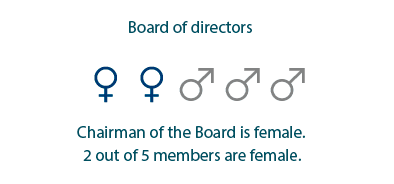
The Company’s Board of Directors is composed of five members and one alternate member, elected at the Annual General Meeting for a term of one year. The Board of Directors holds the supreme authority between shareholders meetings and promotes the development and long-term performance of the Group and the supervision of its operations. Together with the executive leadership they formulate strategy, policies and set goals and risk parameters for the Group.
Board Subcommittees
The Board of Directors has appointed two subcommittees, an Audit Committee and a Remuneration Committee.
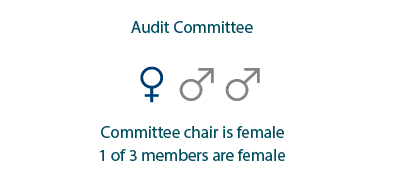
THE AUDIT COMMITTEE’s main responsibilities include monitoring the integrity of the financial statements of the Group, reviewing the effectiveness of the Group’s internal controls and risk management systems, and overseeing the selection, appointment, and relationship with the Group’s external auditor.
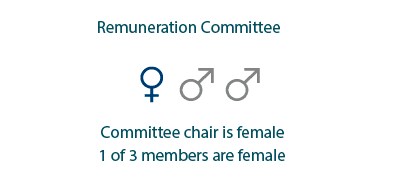
THE REMUNERATION COMMITTEE is responsible for establishing a remuneration policy for the Company. The Remuneration Committee shall assist the Board in ensuring that compensation arrangements support the strategic aims of the Company and enable the recruitment, motivation and retention of senior executives while also complying with legal and regulatory requirements.
THE NOMINATION COMMITTEE. The Company does not have a nomination committee, the reason being that due to the nature of the Company and close connection to the seafood sector, it is considered important to have representatives from key seafood suppliers of the Company on its Board.
THE EXECUTIVE LEADERSHIP is carried out by the CEO and the CFO. They manage the day-to-day operations of the Group and must, in this respect, follow the policies and instructions laid down by the Board and abide by laws and regulations. The CEO and CFO must conduct their work with integrity and in the best interest of the Group.
Further information on Iceland Seafood’s Corporate Governance is available on the Company’s website www.icelandseafood.com/investors
Governance
Continuous improvement regarding ESG aspects is high on the agenda. Integrating sustainability into the business culture and supply chain is a key factor in operating a successful and sustainable global business. In 2024 we went through a detailed double materiality and impact-, risk- and opportunity assessment. Going forward, the results of this will strengthen our overall governance and enhance our knowledge on both our own operation as well as our supply chain operations.
Group Code of Conduct
Our Group Code of Conduct applies to all companies of the Group and to all individuals who work for us, regardless of location. Our objective is that by 2026 our internal procedures will efficiently enable all our employees to receive regular training on how to work according to the Code.
Integrating ethics into the business and daily work is a key factor in operating a global, sustainable business. Our Group Code of Conduct was implemented in 2022 and sets the standard for how we engage with co-workers, suppliers, customers and other stakeholders. It applies to all employees, managers, and Board members and guides us towards conducting our business practices honestly, fairly, and legally. The Group has zero tolerance towards bribery and corruption and expects employees, suppliers, service partners, and other business partners to act with integrity and without acts of bribery and corruption.
| Criteria | Target 2026 |
|---|---|
| Group Code of Conduct | 100% of employees regularly trained in Group Code of Conduct |
| UN SDGs | |

| |
- Integrating governance
- Increased employee training and knowledge on Group Code of Conduct
- Increased rate of suppliers commited to Supplier Code of Conduct
- 50% of largest supplier’s sustainability aspects mapped
- Transparency
- Continous improvement of ESG reporting
- CSRD requirements fullfilled
- Increase reported Scope 3 KPI’s
- Double Materiality Assessment
- ESG report audited
- Report GHG of waste and packaging
As EU sustainability regulation has evolved, expectations for corporate due diligence have increased, both in relation to the Group’s own workforce and to workers in its value chain. This is reflected in the minimum safeguards set out in Article 18 of the EU Taxonomy Regulation, as well as within the scope of the Corporate Sustainability Reporting Directive (CSRD) and the Corporate Sustainability Due Diligence Directive (CSDDD), which entered into force in 2024 and will be phased in over time. The Board of Directors reviews the implementation of the Code on a regular basis and assesses any need for updates. The Group Code of Conduct is publicly available on our website.
Supplier Code of Conduct
As a global value-added seafood producer and sales and marketing company with a broad international supply chain, we must source, produce, transport and sell our products sustainably and responsibly.
EU sustainability regulation has increased expectations for corporate due diligence, both in relation to a company’s own workforce and to workers in its value chain. This is reflected in the minimum safeguards set out in Article 18 of the EU Taxonomy Regulation, as well as within the scope of the Corporate Sustainability Reporting Directive (CSRD) and the Corporate Sustainability Due Diligence Directive (CSDDD), which entered into force in 2024 and will be phased in over time.
We have implemented a Supplier Code of Conduct to communicate our expectations to suppliers and service partners, provide guidance and promote ethical behaviour. The Code addresses human rights, fair labour practices, legal compliance and environmental responsibility, and supports transparent communication with customers, consumers, investors and other stakeholders regarding the standards we expect our business partners to follow.
To support implementation, we have developed a dedicated feature on our website to efficiently track which suppliers and service partners have acknowledged the Supplier Code of Conduct. The website was launched in 2024 to streamline this process, and we are actively working towards having all suppliers and service partners confirm that they have read and accepted the Code.
Double Materiality
The key to driving a successful sustainability strategy is knowing which ESG aspects are more important than others to our operation. The Double Materiality Assessment is a tool to identify the truly important topics to focus on. When performing the assessment companies look at how their operations impact the environment, people and society and how the ESG aspects impact them financially.
| Criteria | Target 2026 |
|---|---|
| Group Code of Conduct | 100% of suppliers commited to Supplier Code of Conduct |
| UN SDGs | |
|
| |
A detailed Double Materiality Assessment was conducted in 2024. We started interviewing both internal and external stakeholders to pinpoint the ESRS topics that were most likely to be material for Iceland Seafood and its subsidiaries. We went through an impact-, risk-, and opportunity assessment (IRO) where we evaluated our impact on the sub-themes listed and used the impact scale to determine to what degree we had an impact on the ESRS sub-themes. Then we evaluated how sustainability-related issues can pose a financial risk, for instance through increased costs, reputational damage or revenue loss. We evaluated the inherent risk for each sub-theme, then went through mitigating actions, evaluating the actual risk remaining after mitigating actions have been implemented. Finally, the likelihood of the risk being actualised was evaluated.
The work that has gone into the assessment has really broadened our overall understanding of the emerging regulations related to CSRD/ESRS, as well as Taxonomy and CSDDD. We have gained a holistic perspective, and engaged a multidisciplinary team, both internal and external, from all our subsidiaries, and increased integration between sustainability and business.
We have gained a perspective on the impacts, risks and opportunities within the different topics. All this leads to informed decisions on what sustainability topics truly are material to us that we will prioritise going forward.
Expanding Scope 3
We have collected data and calculated GHG emissions related to the transport of our seafood since 2020. Most of the emissions identified to date relate to upstream and downstream transportation. Calculations are based on the Greenhouse Gas Protocol: Corporate Value Chain (Scope 3) Accounting and Reporting Standard. Where possible, we obtain carrier-specific emission factors from our transportation service providers; when these are not available, we apply the standard emission factors set out in the Protocol.
We plan to broaden Scope 3 KPIs as our CSRD implementation progresses, with packaging materials and cold storage identified as priority areas for the next phase of work.
Scope 3 GHG reporting is expected to expand further as follow-up work on the Double Materiality Assessment is completed and translated into a prioritised reporting roadmap.
Data Collection
ESG numbers are collected and reviewed respectively in each subsidiary before they are sent to the Group´s CFO, where results of the KPIs are combined for the final report, outcomes calculated, and impacts assessed. We are continuously improving internal documentation and processes and intend to get external verification along with CSRD implementation
Key Targets
Targets 2026
Targets presented throughout the ESG report are summarised here. More detailed explanations are in their respective sections and on our website.
Scope 2 emissions: pg. 37
Renewable energy: pg. 37
Scope 1 emissions: pg. 38
Recycled waste: pg. 38
Reclaimed water: pg. 38
Employee satisfaction: pg. 39
CSR mapping of suppliers: pg. 40
Training in Group Code of Conduct: pg. 42
Suppliers Code of Conduct: pg. 42
Key Performance Indicators
| Key Performance Indicators | Unit | 2025 | 2024 | 2023 | 2022 | 2021 |
|---|---|---|---|---|---|---|
| Full time equivalents | FTE | 797 | 767 | 780 | 766 | 771 |
| Annual Revenue | EUR m | 484 | 443 | 430 | 420 | 449 |
| Environmental metrics | ||||||
| E1 GHG Emissions | ||||||
| E1.1 Scope 1 | t CO2-eq | 6253 | 4241 | 2420 | 1862 | 3727 |
| E1.2 Scope 2 | t CO2-eq | 1021 | 617 | 678 | 1483 | 1409 |
| E1.2 Scope 3 | t CO2-eq | 28904 | 24846 | 19470 | 24598 | 27193 |
| E2 Carbon Intensity | ||||||
| E2.1 a) | t CO2-eq/FTE | 9,1 | 6,3 | 4,0 | 4,4 | 10,7 |
| E2.1 b) | t CO2-eq/REV | 15,0 | 11,0 | 7,2 | 8,0 | 19,5 |
| E3 Energy Usage | ||||||
| E3.1 Total amount of energy directly consumed | MWh | 358 | 303 | 544 | 522 | 5769 |
| E3.2 Total amount of energy indirectly consumed | MWh | 10838 | 9216 | 8541 | 8626 | 11371 |
| Renewable energy consumption | MWh | 6791 | 6077 | 5402 | 4086 | 5231 |
| Non-renewable energy consumption | MWh | 4405 | 3442 | 3683 | 5062 | 11909 |
| E4 Energy Intensity | ||||||
| Energy consumed/FTE | MWh/FTE | 14,0 | 12,4 | 11,6 | 11,9 | 13,1 |
| Energy consumed/Revenue | MWh/REV | 23,1 | 21,5 | 21,1 | 21,8 | 22,5 |
| E5 Energy Mix | ||||||
| Renewable sources | MWh | 679162,66% | 607765,9% | 540263,2% | 408647% | 468950% |
| Natural gas | MWh | 284926,28% | 205222,3% | 203223,8% | 237728% | 292231% |
| Oil | MWh | 3453,18% | 2532,7% | 3013,5% | 6167% | 350% |
| Nuclear | MWh | 6656,14% | 6537,1% | 5486,4% | 96811% | 4935% |
| Coal | MWh | 1891,74% | 1802,0% | 2432,9% | 2623% | 7528% |
| Others | MWh | 00,00% | 00% | 170,2% | 3164% | 136% |
| Renewable energy intensity | ||||||
| Renewable energy / Non-renewable energy | 1,7 | 1,9 | 1,7 | 0,9 | 1,1 | |
| E6 Water usage | ||||||
| E6.1 Total amount of water consumed | m3 | 111.378 | 117.855 | 126.131 | 106.200 | 85865 |
| E6.2 Total amount of water reclaimed | m3 | 17.690 | 16.976 | 42203,4 | 39279 | 25616 |
| Certified Sustainable Seafood | ||||||
| Total products sold | t | 70119 | 76866 | 83531 | 77521 | 103113 |
| Certified Sustainable Seafood | t | 3125345% | 2596334% | 2888535% | 2977038% | 4153540% |
| Waste Management | ||||||
| Waste | t | 5562 | 5495 | 5168 | 5069 | 5513 |
| thereof recycled or reused waste | t | 4852 | 4797 | 4221 | 711 | 772 |
| Waste intensity | ||||||
| Waste generated/FTE | t/FTE | 7 | 7 | 7 | 7 | 7 |
| Waste generated/Revenue | t/REV | 11 | 12 | 12 | 12 | 12 |
Metrics
| Environmental Metrics | 2025 | Comments |
|---|---|---|
| E7 Environmental operations | ||
| E7.1) Does your company follow a formal Environmental Policy? | Yes | Sustainability Policy |
| E7.2) Does your company follow specific waste, water, energy, and/or recycling polices? | No | |
| E7.3) Does your company use a recognized energy management system? | No | |
| E8. Climate Oversight/Board | ||
| Does your Board of Directors oversee and/or manage climate-related risks? | Yes | Double Materiality Assessment |
| E9. Climate Oversight/Management | ||
| Does your Senior Management Team oversee and/or manage climate-related risks? | Yes | Double Materiality Assessment |
| E10. Climate Oversight/Management | ||
| Total amount invested, annually, in climate-related infrastructure, resilience, and product development. | €0 m | See aligned activities in EU Taxonomy data table |
| Social Metrics | 2025 | Comments |
|---|---|---|
| S1 CEO Pay Ratio | 11.14 | |
| S2 Gender Pay Ratio | ||
| Total Work Force | 1.31 | Average for all Group subsidiaries |
| Production staff | 0.96 | |
| Business staff | 1.52 | |
| S3 Employee Turnover Ratio - Year-Over-Year change | ||
| S3.1. Full time employees | 21% | |
| S3.2. Part time employees | 7% | |
| S3.3. Temporary employees | 163% | |
| S4 Gender Diversity |
MenWomen | |
| S4.1. Total Enterprise Headcount |
53%47% | |
| S4.2. Entry- and mid level |
49%51% | |
| S4.3. Senior- and executive level |
70%30% | |
| S5 Temporary Worker Ratio | 22% | |
| S6 Non-Discrimination Policy | In place | Group Code of Conduct |
| S7 Injury Rate | 0,09 | Total accidents (major and/or minor) / FTE |
| S8 Global Health & Safety Policy | In place | Group Code of Conduct and Sustainability Policy |
| S9 Child & Forced Labor Policy | In place | Group Code of Conduct & Supplier Code of Conduct |
| S10 Human Rights Policy | In place | Group Code of Conduct & Supplier Code of Conduct |
| Governance Metrics | 2025 | Comments |
|---|---|---|
| G1 Board Diversity | ||
| G1.1. Total board seats occupied by women | 40% | There are two women on the board |
| G1.2. Committee chairs occupied by women | 100% | Two of two committee chairs are occupied by women |
| G2 Board Independence | ||
| G2.1. Does company prohibit CEO from serving as board chair? | Yes | |
| G2.2. Total board seats occupied by independents | 40% | Two of five boardmembers are independent |
| G3 Incentivized Pay | No | Company employees are currently not incentivized for ESG performance |
| G4 Collective Bargaining Percentage | 74% | Our employees have the right to form or join associations of their own choice and be covered by collective bargaining agreements. |
| G5 Supplier Code of Conduct | Yes | Supplier Code of Conduct |
| G6 Ethics & Anti-Corruption | ||
| G6.1. Does your company follow an ethics and/or Anti-corruption policy? | Yes | Group Code of Conduct |
| G6.2. Workforce formally certified in compliance? | No | |
| G7 Data Privacy | ||
| G7.1. Does your company follow a Data Privacy Policy? | Yes | Implemented in 2020 |
| G7.2. Has your company taken steps to comply with GDPR rules? | Yes | Finished in 2020 |
| G8 ESG Reporting | Yes | |
| G9. Disclosure Practices | ||
| G9.1) Does your company provide sustainability data to sustainability reporting frameworks? | Yes | |
| G9.2) Does your company focus on specific UN Sustainable Development Goals (SDGs)? | Yes | |
| G9.3) Does your company set targets and report progress on the UN SDGs? | Yes | |
| G10 External Assurance | No |